

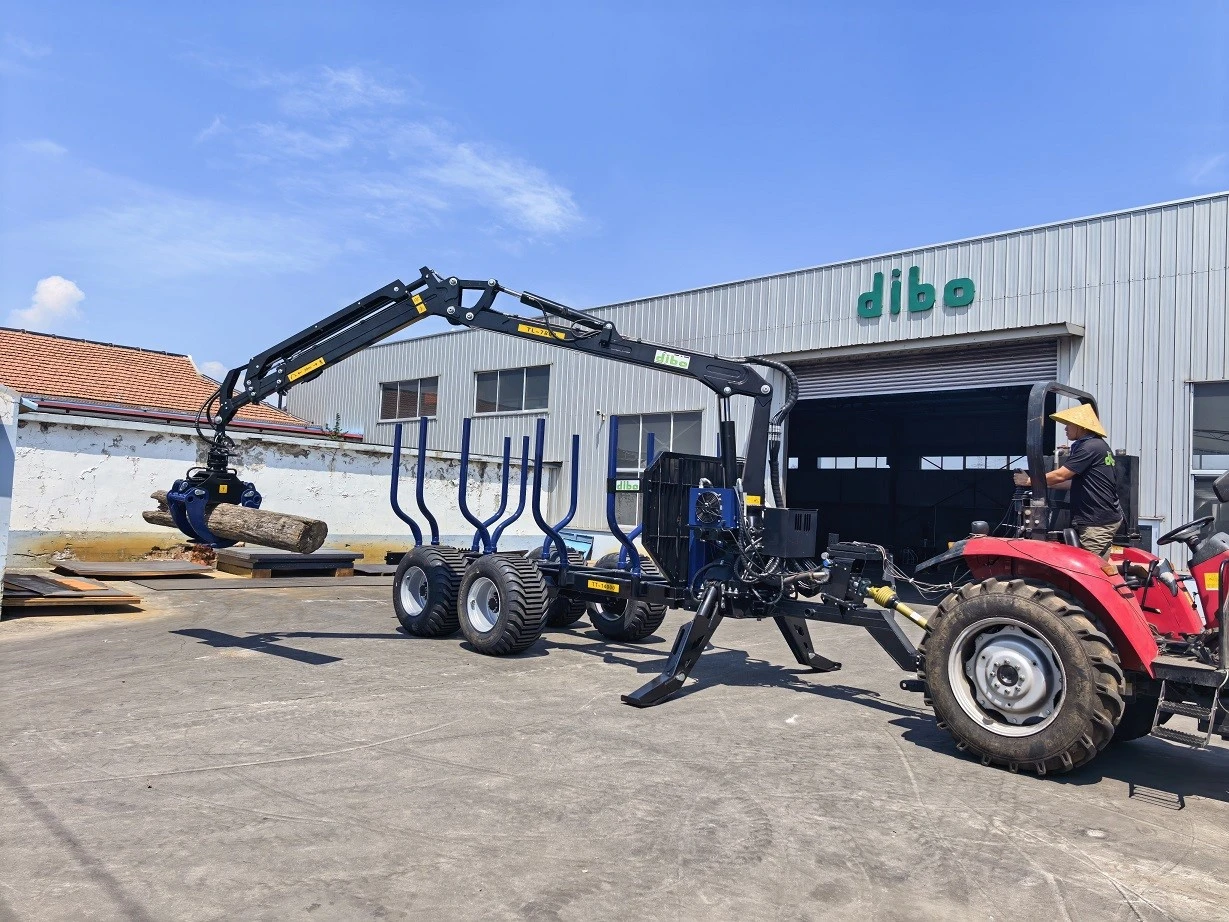
Forestry hydraulic log grapples and trailers often operate in tandem under harsh conditions; the core of their maintenance can be summarized as follows: for the grapple, the focus is on the hydraulic system and lubrication, while for the trailer, the emphasis is on the running gear and structural integrity.
Pre- and Post-Operation Checks (Routine Inspections)
This is the most fundamental yet critical step; spending just over ten minutes on inspections can prevent most unexpected breakdowns.
Fluid and Filter Checks: Before starting and after finishing work each day, check that engine oil, hydraulic fluid, coolant, and fuel levels are within the standard range. Air filters are prone to clogging in harsh environments; clean the filter element daily after work (using compressed air to blow from the inside out) and replace clogged elements promptly.
Key Lubrication Points: The log grapple's pins, joints, and slewing base are high-wear areas. Grease must be applied regularly to these parts using a grease gun; dry friction on pins is the primary cause of grapple failure.
Structural and Hydraulic Line Inspections: Visually inspect the welds on the boom and grapple for cracks, and check structural components for deformation. Simultaneously, carefully examine hydraulic hoses and fittings for leaks, signs of aging, or wear.
Undercarriage/Mobility System Inspection: For wheeled chassis, check that tire pressure is correct and inspect for cuts or bulges.
Trailer-Specific Inspections: Check the trailer frame for deformation or cracks, verify brake responsiveness, and ensure that lights and connection mechanisms (hitch/coupling to the towing vehicle) are secure and reliable.

Every 250 hours Check or replace the hydraulic oil filter element; inspect hydraulic hoses for aging or cracks; lubricate the swing base and gear rack.
Every 500 hours Replace hydraulic oil and filter elements (this is the most critical aspect of hydraulic system maintenance); clean radiator and oil cooler fins; check and tighten all bolts.
Every 1,000 hours Conduct a comprehensive inspection of the hydraulic pump and motor operating conditions and system pressure.
Long-term storage (over 1 month) Thoroughly clean the equipment; apply anti-rust oil to exposed metal surfaces; retract hydraulic cylinder piston rods; start the engine and move the machine at least once a month to prevent tire deformation and battery discharge.
A Few Practical Maintenance Tips
Hydraulic oil temperature is critical: During normal operation, the hydraulic oil temperature should be maintained between 30°C and 80°C. If the temperature becomes excessively high, stop the machine to check for a clogged radiator or signs of prolonged overloading.
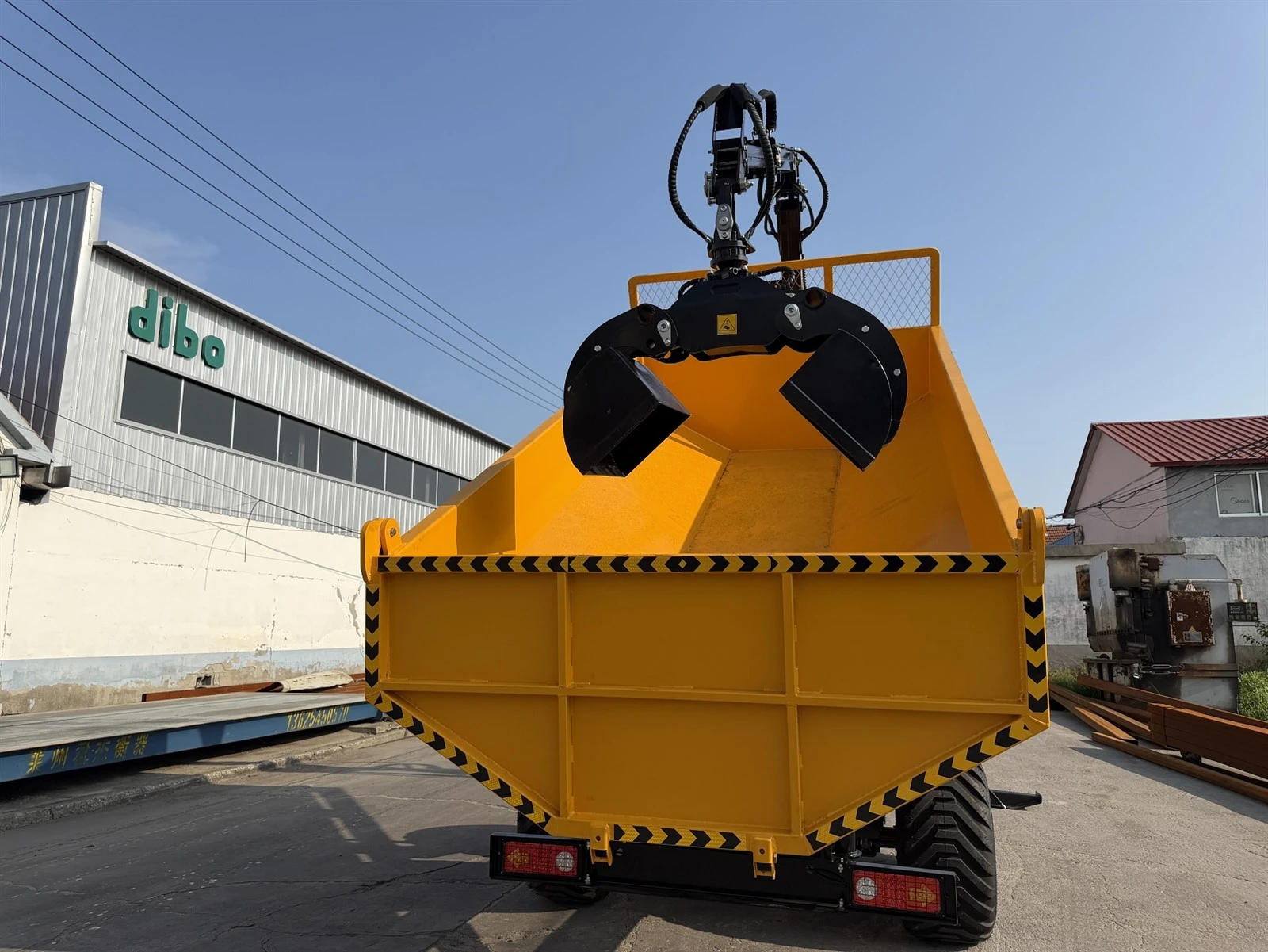
Replace worn grapple teeth promptly: If the grapple teeth show wear exceeding 10% or one-third of their profile, they should be repaired via welding or replaced immediately; failure to do so can result in weak gripping performance or even damage to the hydraulic cylinders.
Pay attention to fluid cleanliness: When refueling or adding hydraulic oil, ensure that tools and fill ports are clean to prevent contaminants from entering the system. Do not mix hydraulic oils of different brands or specifications.
Avoid rough handling: Log grapples feature long, slender arms; using them to press down on, ram, or pry materials is strictly prohibited, as this can easily deform structural components or damage hydraulic cylinders. Additionally, always make it a habit to retract the outriggers before driving the machine, as failure to do so is a common cause of accidents.
Maintain a simple equipment maintenance log to record the date and operating hours of each service; this effectively prevents missed maintenance and significantly boosts the machine's resale value.